
Human rights and energy: EU must not replace Russian gas with US imports, Greenpeace warns
Greenpeace International
Brussels – As the European Union (EU) ministers rubber-stamp the EU’s ban on imports of Russian gas, Greenpeace Belgium activists warn them not to replace Putin’s gas with Trump’s. The activists inflated 10-metre-long representations of Putin and Trump sitting on a gas tanker in front of the EU Council headquarters, to symbolise Europe’s dependence on fossil fuel imports from autocrats. An average of two to three tankers carrying liquefied gas from the United States (US) arrive in Europe every day, according to new calculations. Photos are available in the Greenpeace Media Library. Lisa Göldner, fossil fuel campaigner from Greenpeace Germany: “Europe’s strength goes hand in hand with energy independence. The more Europe depends on the United States for energy, the greater the vulnerability to pressure by Trump. Every euro spent on US gas strengthens Trump’s authoritarian agenda at home and imperialist ambitions abroad. The only way for Europe to protect its political independence and achieve true energy security is to phase out fossil gas and accelerate the shift to a fully renewable energy system.” “Banning Russian gas is long overdue and absolutely the right decision. But Europe cannot celebrate breaking free from Putin while locking itself into a new dependency on Trump’s fossil gas,” Göldner adds. Since Trump’s second inauguration on 20 January 2025, EU countries have imported US gas estimated to be worth €28 billion according to a new Greenpeace calculation. Amid repeated threats from Trump against Europe, more than 60 tankers of US gas have arrived in Europe since the start of 2026 alone.[1] The EU’s reliance on the US for gas imports is set to grow. In 2025, EU countries sourced 57% of their liquefied gas imports from the US, a share that could rise to 80% by 2030, according to a recent analysis by IEEFA.[2] Greenpeace is calling on the EU to withdraw from the commitment to import USD750 billion worth of US energy, mainly fossil gas, by 2028, and to immediately halt all negotiations for new purchase agreements with US gas suppliers.[3] Greenpeace is also asking the EU for a plan to end dependence on US gas and terminate existing long-term supply contracts earlier, as well as additional measures to reduce Europe’s gas demand and accelerate the transition to homegrown renewable energy. Since Russia’s full scale invasion of Ukraine in February 2022, Greenpeace organisations around Europe have blocked shipments of Russian oil and gas – in Finland; in Britain; in Belgium (Zeebrugge and Antwerp); in Denmark; in Italy. Greenpeace France also blocked the installation of a liquified gas terminal in Le Havre, warning it could be used to import Russian gas, and Greenpeace Spain shut down a gas power plant in Malaga burning gas from Russia. ENDS Notes Photos are available in the Greenpeace Media Library. [1] According to data extracted from LSEG Data & Analytics on 23 January 2026, from 1 to 23 January 2026, 61 US gas tankers arrived in EU countries. Between 20 January 2025 (Trump’s second inauguration) and 20 January 2026, EU countries imported 82.3 billion m3 of US gas, with an estimated value of €28 billion, based on the daily gas spot market price on the date of arrival as represented in the Dutch TTF Natural Gas Futures. [2] EU risks new energy dependence as US could supply 80% of its LNG imports by 2030 | IEEFA Contacts Manon Laudy, fossil fuels press officer, Greenpeace Belgium: +336 49 15 69 83, mlaudy@greenpeace.org Greenpeace International Press Desk, +31 (0)20 718 2470 (available 24 hours), pressdesk.int@greenpeace.org Texte intégral (780 mots)
Reuse is working. It’s time for major brands like Unilever to help it grow.
Anna Diski and Sarah King
Every day, the plastic pollution crisis worsens, especially in countries flooded with single-use sachets pushed by fast-moving consumer goods companies. But while the crisis grows, communities in Manila, Philippines are proving that a different future is not only possible but already operational. Reuse at scale isn’t a distant ambition. It’s happening right now, despite the companies still profiting from the status quo. The plastics crisis didn’t arrive by accident. Sachets were designed, marketed, and aggressively expanded by multinationals like Unilever as a way to sell small volumes at huge margins. It’s a system built for profit, not sustainability. Unilever alone sells an estimated 53 billion plastic sachets every year. That’s 1,700 pieces of single-use plastic every second, pushed into countries whose waste systems cannot handle them. Sachets persist not because people love them, but because companies refuse to provide alternatives. That deliberate choice has consequences: mountains of waste, blocked waterways, toxic burning, and a rubbish system overwhelmed by volume. Reuse is a system-wide solution to the sachet problem and communities in the Philippines are already showing how. The Kuha sa Tingi initiative, built by Greenpeace Philippines with local governments and community partners, transforms neighbourhood sari-sari stores into refill hubs for everyday items like dishwashing liquid, detergent, and shampoo, eliminating the need for single-use sachets. The Philippines uses an estimated 164 million sachets daily. Kuha sa Tingi offers a scalable alternative. Beginning in Quezon City and San Juan City, it is now expanding across the region through new partnerships. In Quezon City and San Juan City, these neighbourhood stores are quietly reshaping how everyday goods are sold. Kuha sa Tingi and enterprises across Asia and Africa are proving that reuse can outperform sachets economically, socially, and environmentally. This is the environment Unilever claims requires sachets for affordability and access. Yet the success of Kuha sa Tingi proves that argument is outdated and indefensible. If sari-sari stores can run refill systems that benefit consumers and businesses alike, what excuse does a global corporation with Unilever’s resources have? Reuse works in emerging markets, in dense urban settings, and in communities long targeted with sachet-heavy marketing. The only place it ‘doesn’t work’, it seems, is inside boardrooms clinging to a profitable but destructive model. Unilever has the influence, distribution power and capital to make reuse mainstream. These models are ready for corporate investment. A shift to reuse would: Yet Unilever continues pushing billions of sachets into the market while community-led solutions flourish. That’s more than a missed opportunity – it’s an active choice to sustain harm. No company can claim sustainability leadership while driving one of the world’s most polluting packaging formats. Cities, communities, consumers and small businesses are moving reuse forward. What’s missing is the commitment from the companies driving the sachet problem to phase out sachets and phase in reuse models. Unilever should be: Innovation is not the limiting factor here. Corporate will is. It’s time for Unilever to join it – and time to leave the sachet era behind. Anna Diski is a Senior Campaigner from Greenpeace UK. Sarah King is a Senior Strategist for the Plastic Free Future campaign from Greenpeace Canada. Texte intégral (1951 mots)
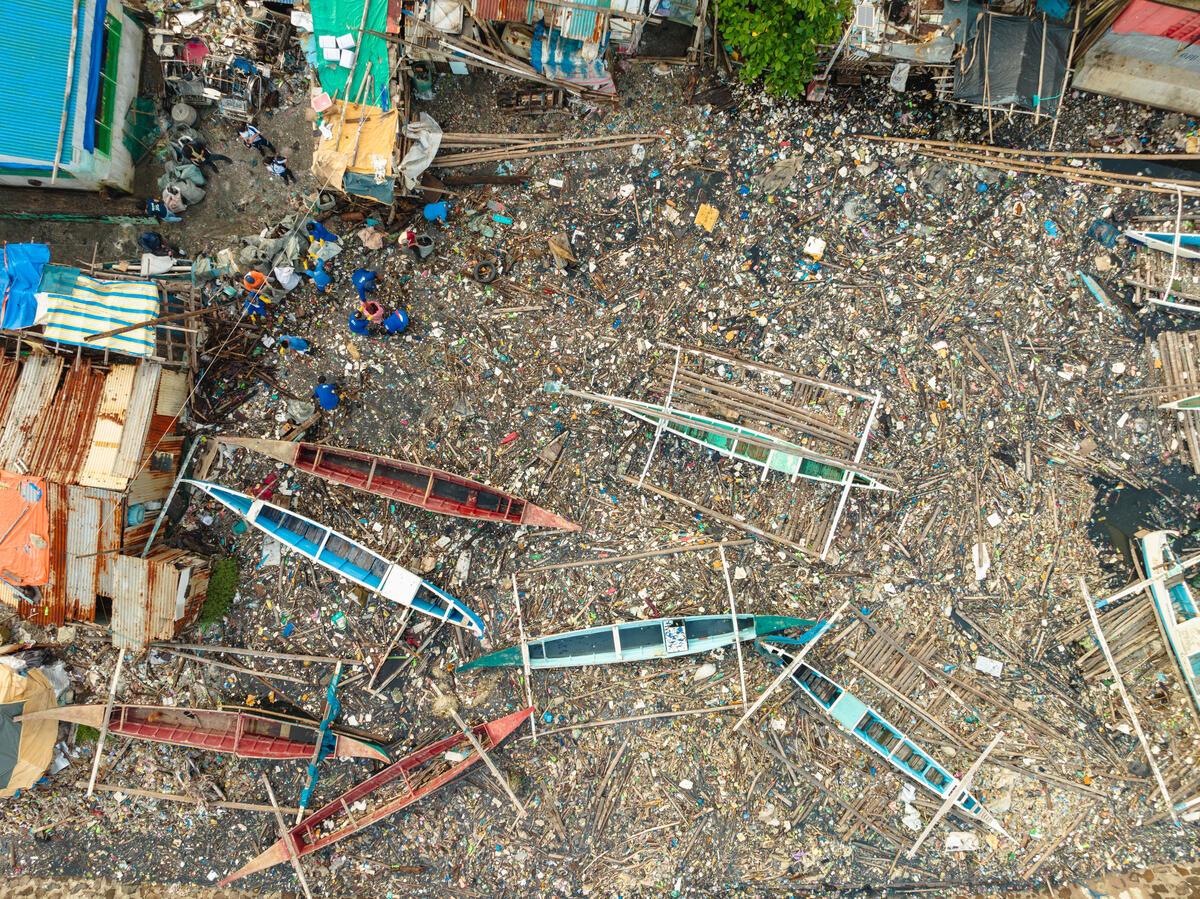
The Problem: Sachet Pollution Is a System Choice
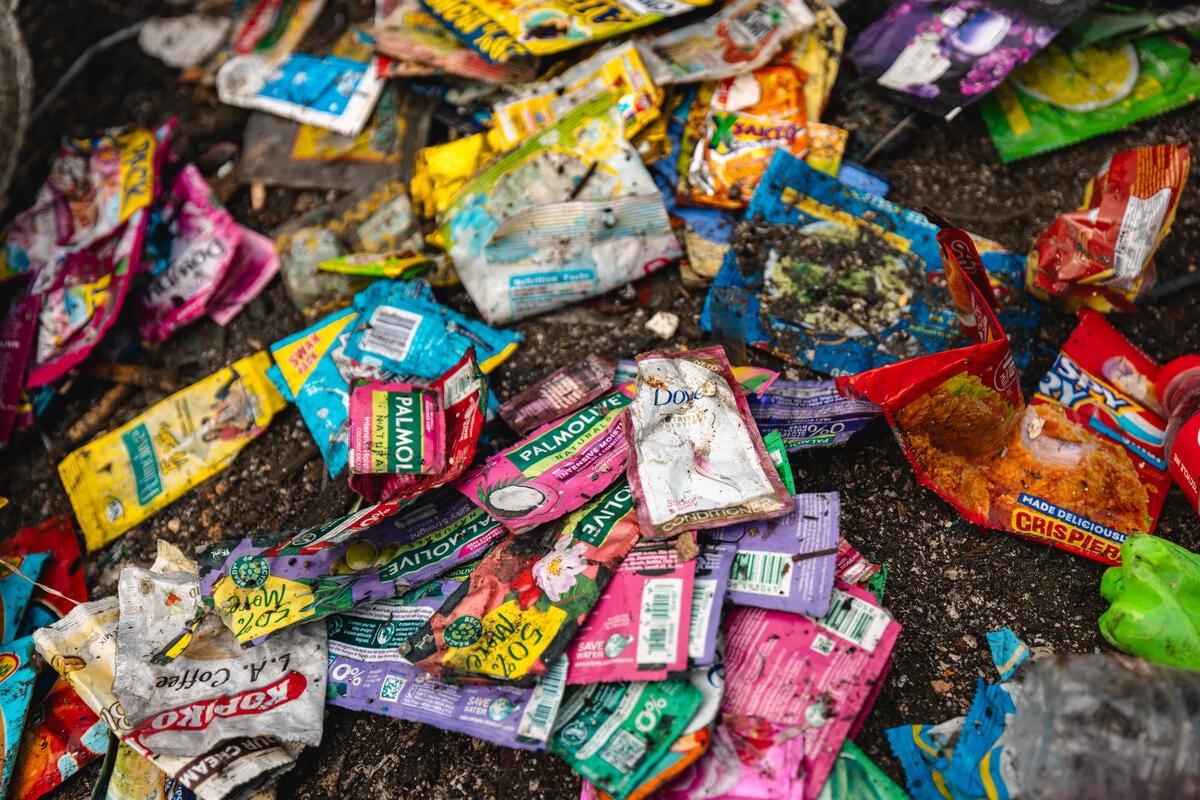
The Proof: Reuse in Action in Metro Manila
What the project is

Key outcomes
Why this matters for Unilever
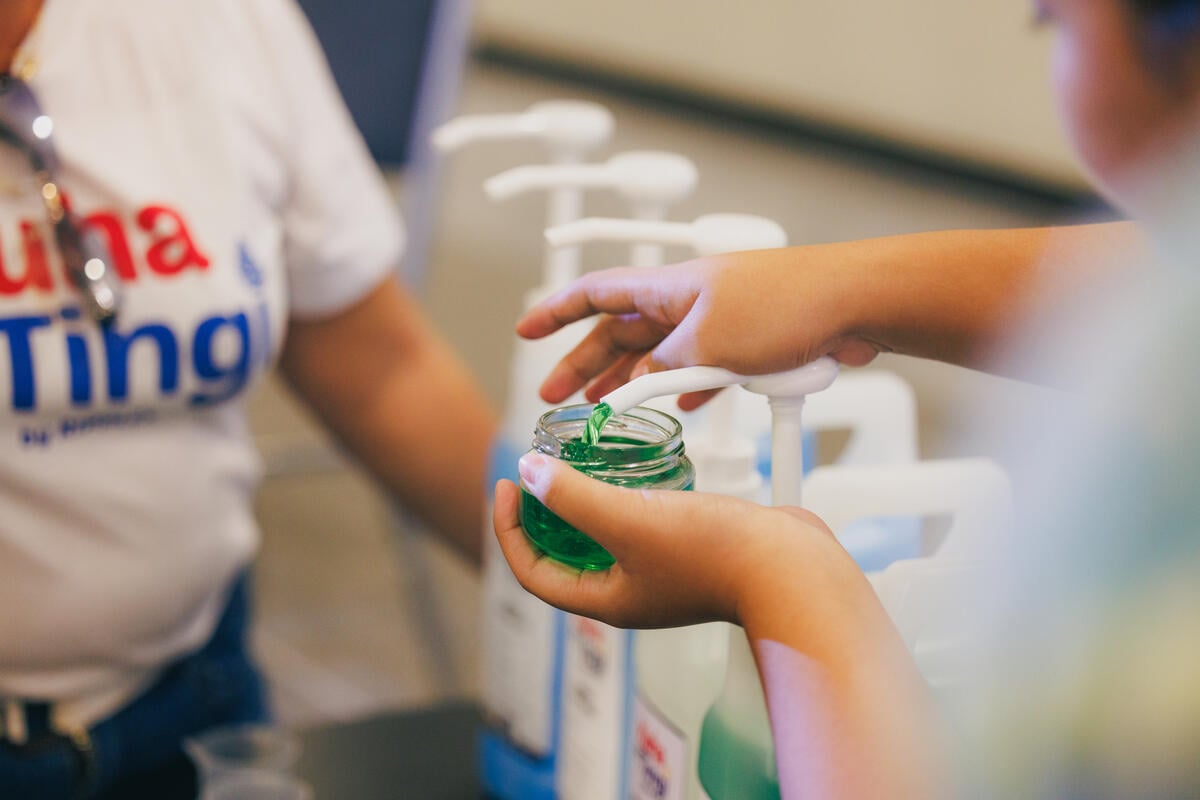
The Opportunity for Unilever
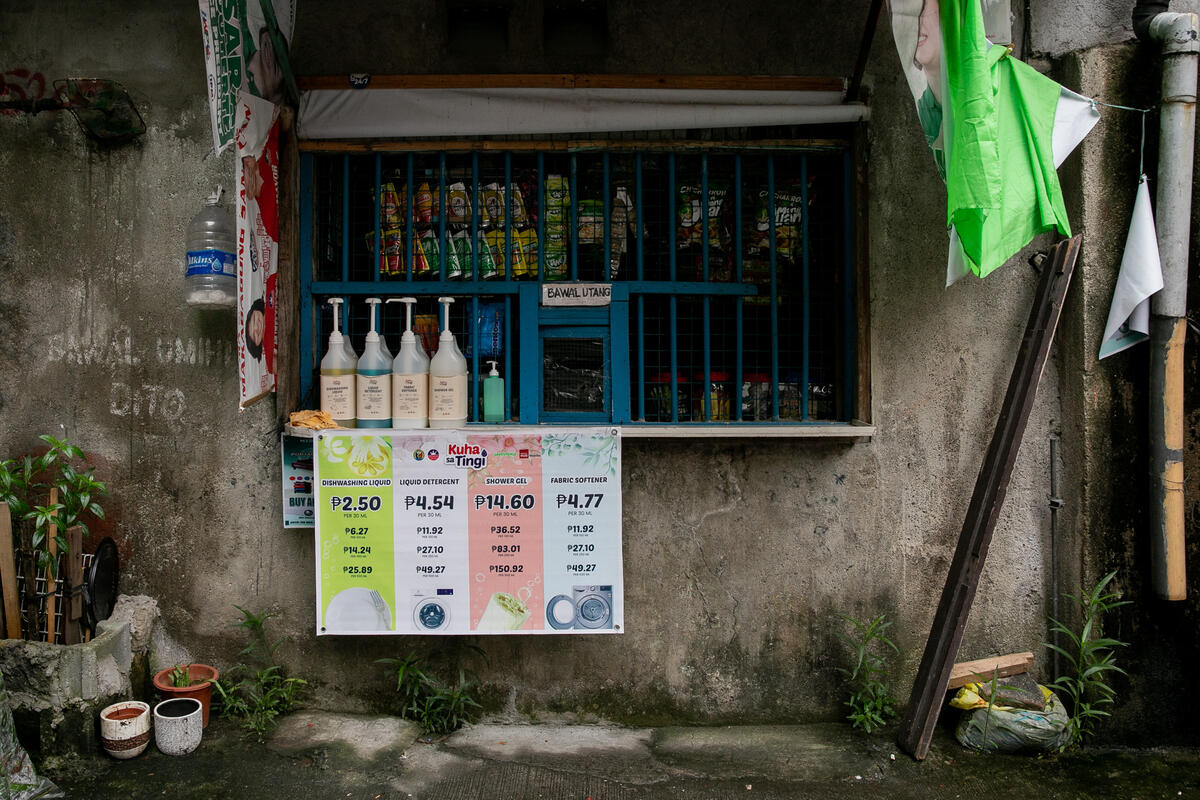
Unilever Must Join the Movement
Greenpeace Pictures of the Week
Greenpeace International
A creative week in the Greenpeace world, with murals around the globe celebrating the ratification of the Global Oceans Treaty, as well as people power in the streets of Washington D.C, London, and Berlin. Greenpeace has been a pioneer of photo activism for more than 50 years, and remains committed to bearing witness and exposing environmental injustice through the images we capture. To see more Greenpeace photos and videos, visit our Media Library. Texte intégral (1498 mots)

 USA – Protesters gather near the White House on the one year anniversary of the Trump inauguration. January 20, 2026 marks one year of the second Trump administration.
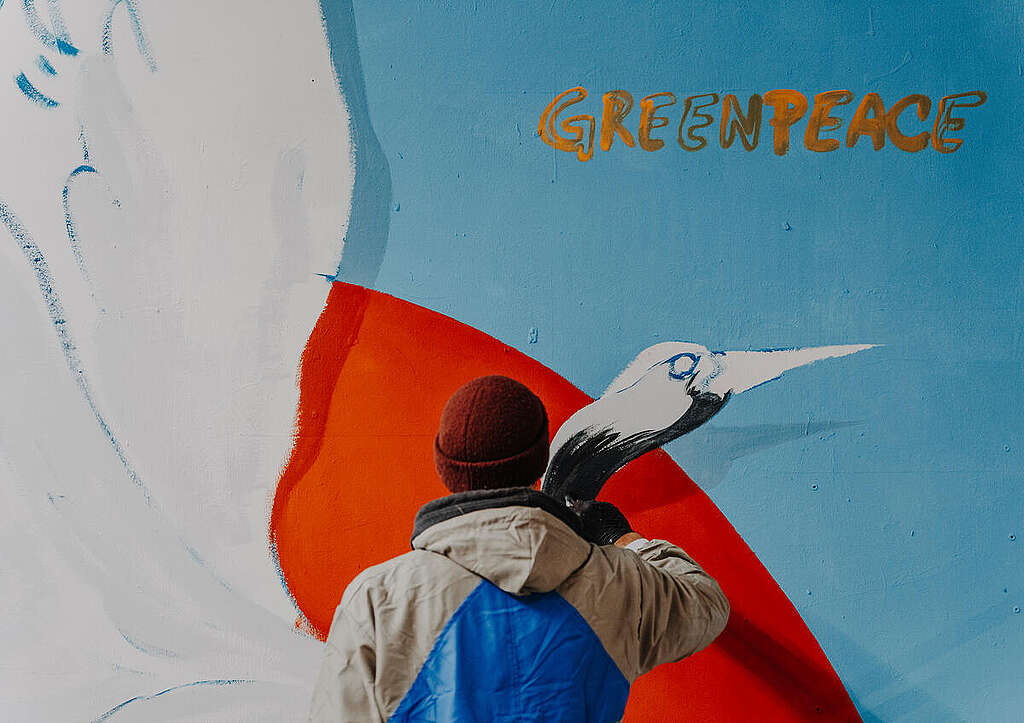
 Germany – Andreas Demko and Aurélien Pinder are creating a mural based on the story of Sadako Sasaki, victim of the atomic bombing of Hiroshima. She was diagnosed with leukaemia and began folding 1,000 paper cranes in order to regain her health. According to Japanese legend, cranes are considered a symbol of good luck, and Sadako’s story made them a global symbol of hope and peace. The mural is a further development of Daniel Ebert’s artwork.
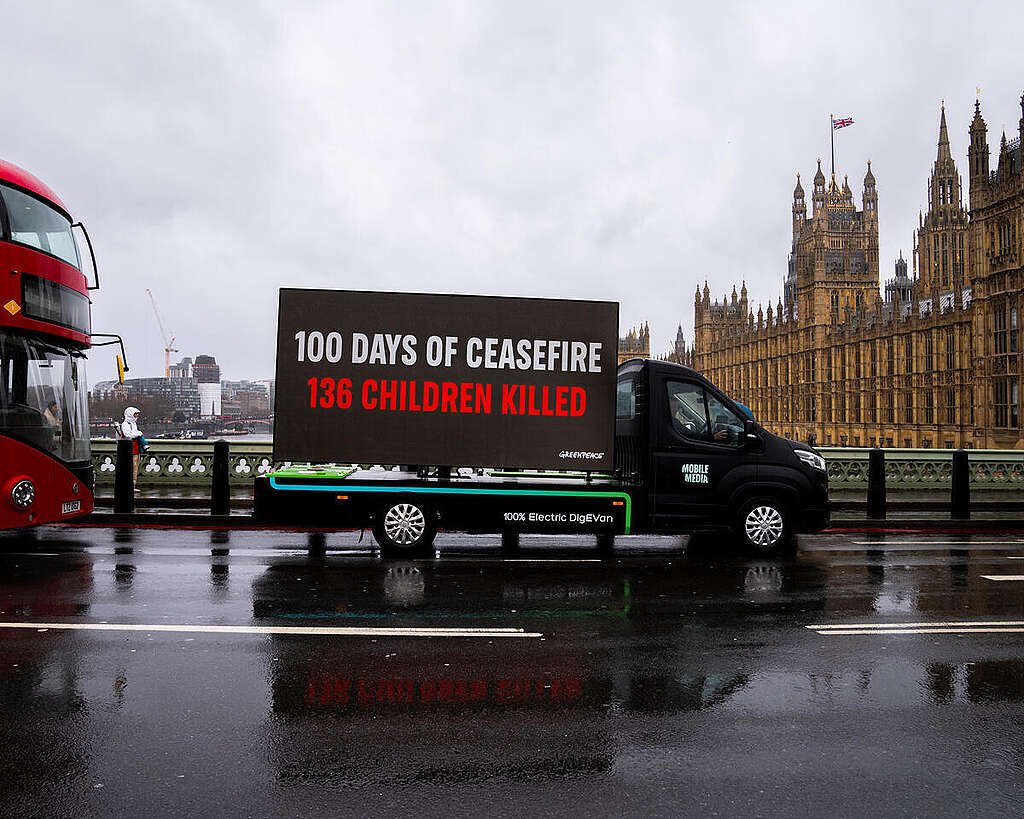
 U.K. – An electric advan, hired by Greenpeace UK, circles Westminster in London, to highlight the death and violence still happening in Gaza despite 100 days of the ceasefire. The government must stop selling weapons to Israel now.
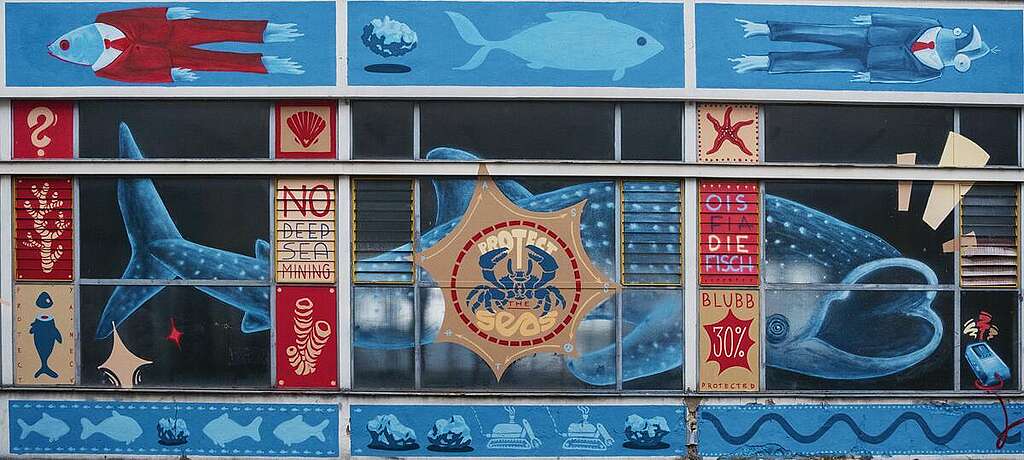
 Austria – Greenpeace Austria works with artist Gernot Passath to create a mural in Graz to celebrate the Global Ocean Treaty coming into force on the 17th January 2026.
 Germany – Greenpeace activists and volunteers march in the annual ‘We have had enough!’ protest for a more sustainable agriculture in Berlin. The environmental activists take to the streets with the Greenpeace pig, bee, banners, balloons and signs.
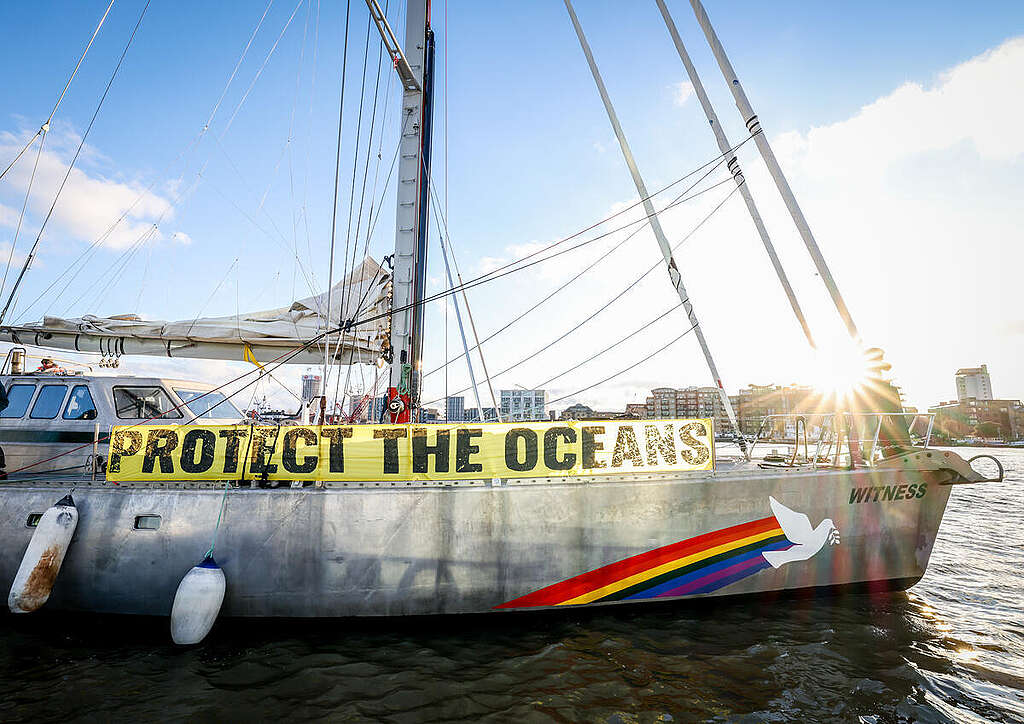 U.K. – The Greenpeace sailing vessel Witness arrives in London
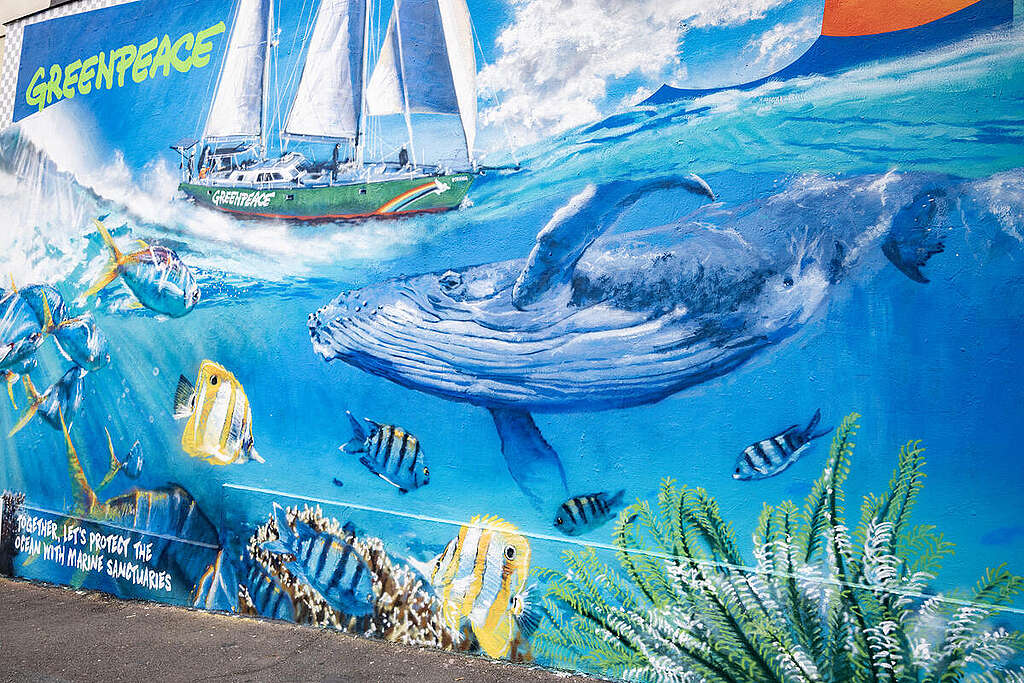
 Australia – To celebrate the Global Ocean Treaty formally entering into force on Saturday 17 January 2026, Greenpeace Australia unveils a large scale mural in Brisbane, Australia by award-winning artist Gus Eagleton.
Leading by example? How the private jets at Davos send a devastating message to future generations
Jackie Zamora
While families around the world are facing the impacts of the climate and nature crises in their communities, some of the world’s most powerful leaders are attending the World Economic Forum (WEF) in Davos, Switzerland in the most polluting and most unequal form of transport: private jets. What does this teach our children about responsibility and fairness? Every January, world leaders and corporate figures meet for the World Economic Forum to discuss the issues facing our world. This year, the main themes are climate and inequality. Attendees are mostly delegates from global businesses, governments, civil society and academia representatives. Ultimately, the goal of Davos forum is to have a dialogue on global challenges and develop tangible solutions to “improve the state of the world.” On paper it sounds good, right? However, before the climate talks even begin, many of these leaders are arriving to the Davos forum on private jets. The number of these flights is increasing every year at an alarming rate. New analysis from Greenpeace CEE reveals that private jet flights to Davos have tripled since 2023 and risen 10% compared with last year. Around 70% of the private jet routes could have been travelled by train within a day or with a night train and connection train. When world leaders arrive by hundreds of private jets to a forum meant to protect the future of younger generations, they send a heartbreaking message to kids everywhere: that our children’s tomorrow does not matter as much as adult convenience today. Even worse, many of the private jets swarming Davos are reportedly chartered or owned by ultra-wealthy individuals. Data shows that billionaires, on average, pay much lower effective tax rates than the rest of us, meaning the richest people often contribute less proportionally while benefiting from systems that impact our children’s future. According to Oxfam, the number of billionaires surpassed 3,000 for the first time last year, and the level of billionaire wealth is now higher than at any time in history. Meanwhile, one in four people globally face hunger and children around the world are significantly impacted by extreme weather events and climate change. Taxes can fund sustainable public transport, classrooms, doctors, and a liveable planet, yet through loopholes and special breaks, the super-rich are allowed to give far less than they can and should. This leaves families around the world to shoulder the cost through punitive taxes and austerity measures that cripple social services, while young people are learning that greed and self-interest comes before community and integrity. When governments don’t tax the super-rich fairly they are allowing resources to be drained from the younger generations and the systems that are supposed to keep them safe and allow them to thrive. When world leaders fail to lead by example, we have a responsibility to hold them accountable. We urge governments to support fair global tax rules to protect the future of children and the planet. Billions in public funds generated from a modest 1-2% tax on the ultra-wealthy could fund universal basic services such as green affordable housing, sustainable heating and cooling, quality healthcare, and public transport, creating a safer, cleaner world for everyone. Children are intelligent and perceptive. They see, hear and feel everything that happens around them, and they are trusting us grown-ups to do the right thing: to be courageous, to keep them safe and to stand up for protecting the planet they will inherit. It’s important that our kids know that many young people are making themselves heard for our planet, and they can too! If they show interest or curiosity, we have free educational resources available to them to learn, explore and take action. We must not give up, and there is still time to act! Discuss with them positive and inspiring stories around the world or in your own community. Together we can act for fairness and achieve a future they can look forward to with hope. Together, let’s urge governments to tax the super-rich and fund a green and fair future. Texte intégral (1753 mots)
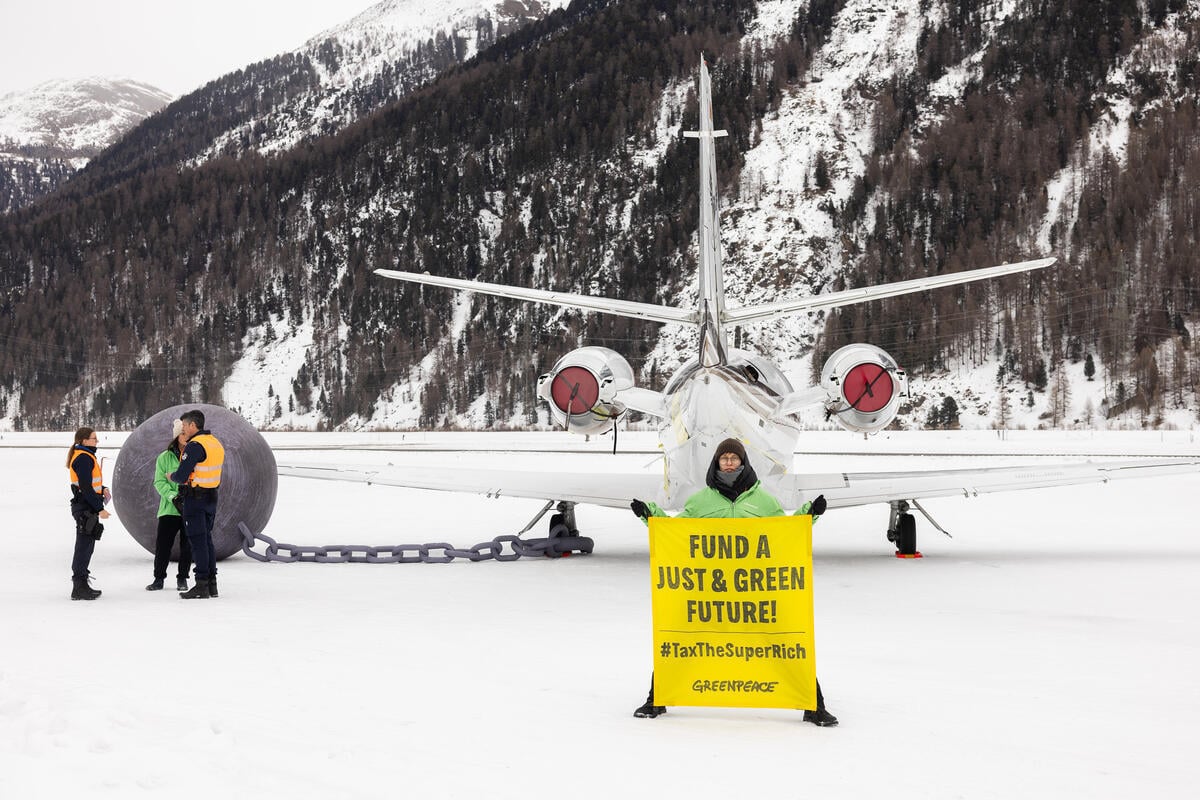
What happens at Davos?
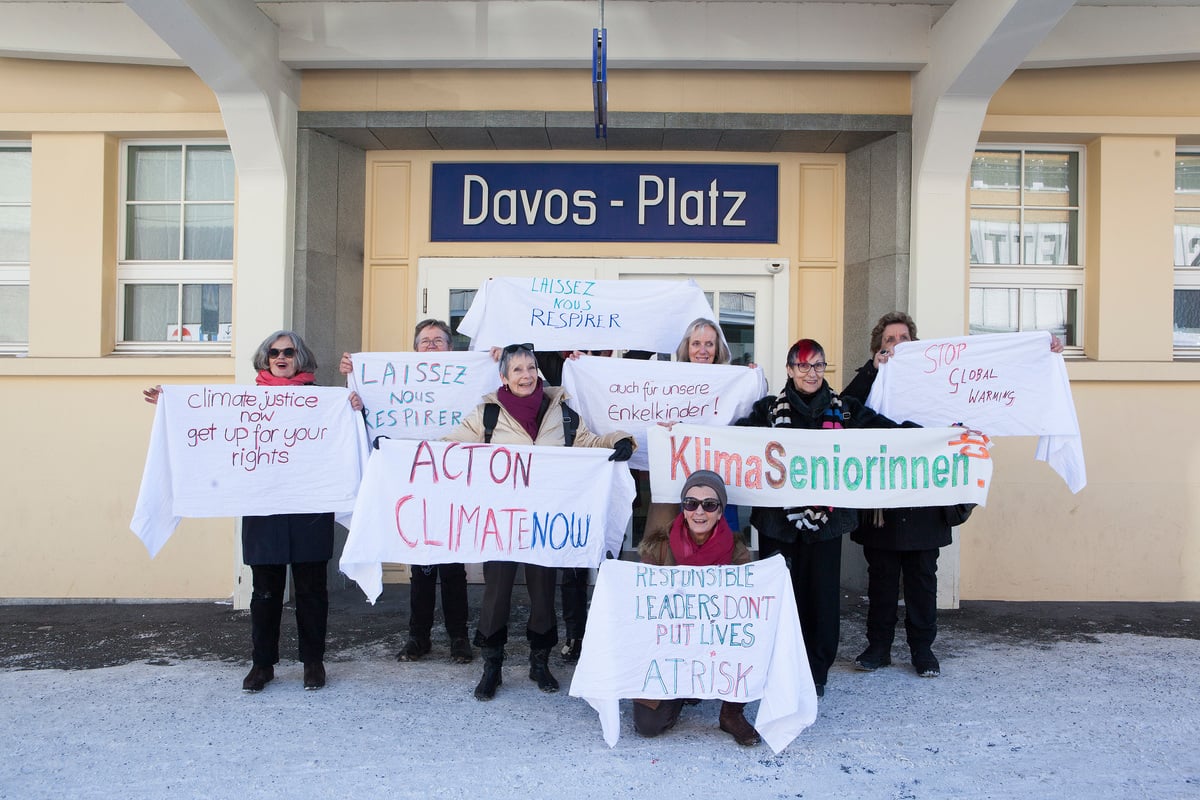
Mixed signals and misplaced money
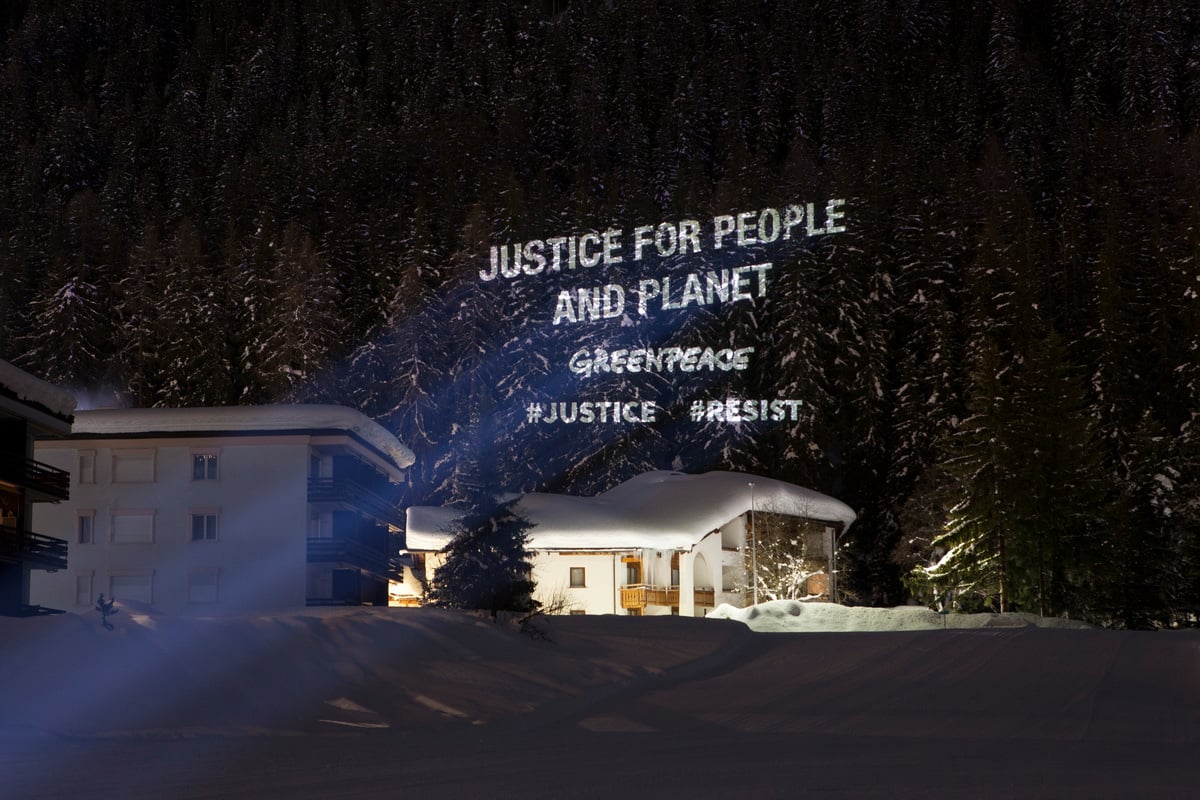
It doesn’t have to be this way
Educational resources for parents and educators


Bon Pote
Actu-Environnement
Amis de la Terre
Aspas
Biodiversité-sous-nos-pieds
Bloom
Canopée
Décroissance (la)
Deep Green Resistance
Déroute des routes
Faîte et Racines
Fracas
F.N.E (AURA)
Greenpeace Fr
JNE
La Relève et la Peste
La Terre
Le Lierre
Le Sauvage
Low-Tech Mag.
Motus & Langue pendue
Mountain Wilderness
Negawatt
Observatoire de l'Anthropocène